Wednesday, July 3, 2013
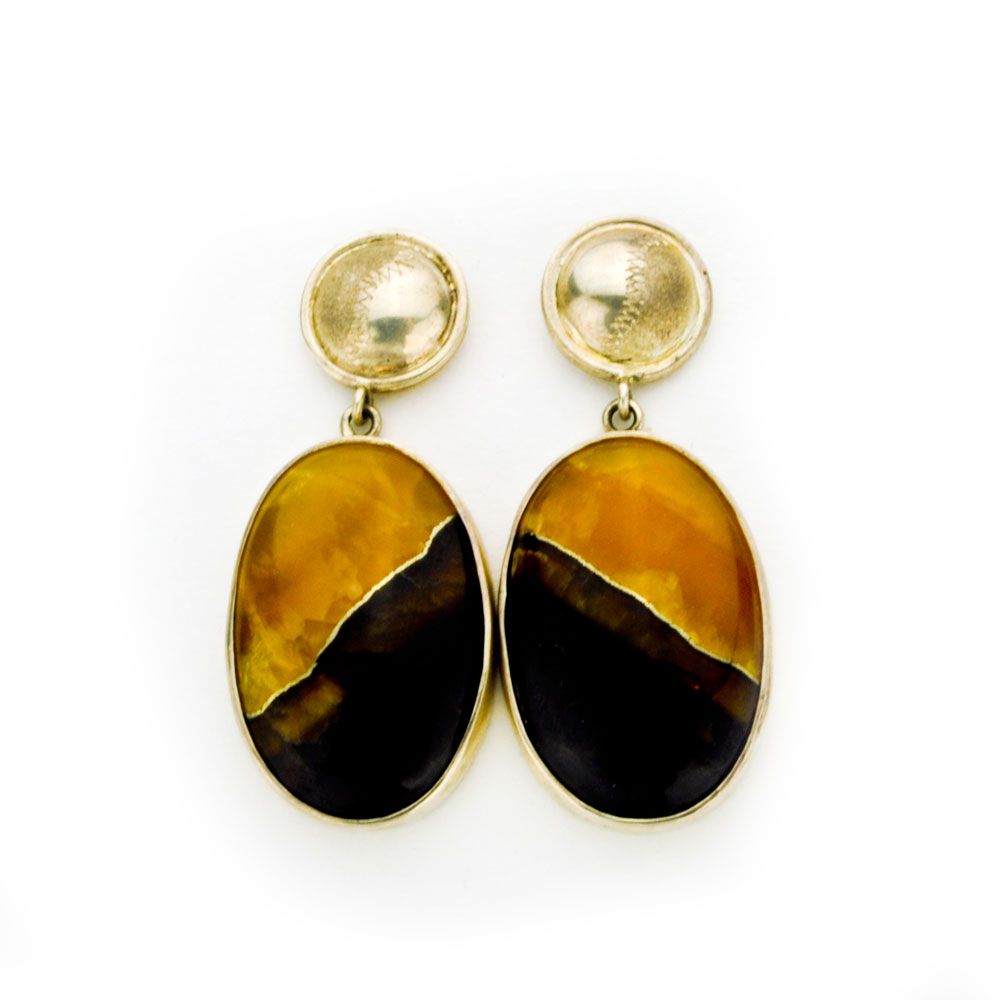
Rock Review: Simbercite
Thursday, June 14, 2012
Rock Review: Pearls
June's primary birthstone is pearl, and on a practical level, this can be difficult because of it's delicate nature. The pearl is created by an oyster depositing many layers of nacre over a small irritant that was introduced into it's shell. This nacre can be scratched or chipped somewhat easily. Therefore pearls are most commonly used in earrings and necklaces, where they receive less wear and tear.
Despite it's limitations, the mystique of a pearl makes it a very interesting gem. Pearls were once thought to be "the tears of the gods" and have been used for adornment since well before the time of Christ. The creation of a pearl within a mollusk was a natural phenomenon less rare that one might think.
Cultured pearls were first eveloped by the Chinese in the 12th or 13th century, but no one followed their lead until the Japanese picked up on the idea in the 1890's. In this process, the irritant to become the nucleus of the pearl is surgically implanted in the mollusk. Cultured pearls take two to three years to develope while natural pearls take seven years or more to build up in the mollusk body.
The Pearl resembles honesty, integrity, wisdom and faith. It is a noble gem, promoting dignity.
Shirley L. Gordon says in an article about pearls "Have you ever seen a woman wearing Pearls acting in an undignified manner? Did you have the oddest feeling? That's because they just don't mix." in her article at gemstonegifts.com
Check back Next week for pearl care and how to identify real from imitation pearls
Thursday, May 31, 2012
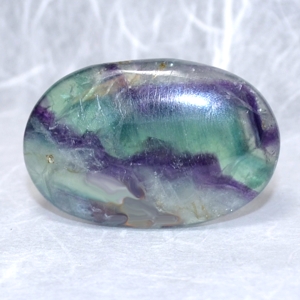
Rock Review: Flourite
This is more common.
Flourite is found commonly cut into beads, and for other ornamental purposes. It can be found cut as a gemstone for setting in jewelry, but it is a relatively soft stone, making this practice uncommon.
This gem does have a common place in gemstone healing, however. It is thought to strengthen one's power of concentration. It is also used to cleanse the aura, and it is applied directly to an ailing part of the body to relieve pain.
Different colors of flourite are thought to have more specific benefits, more information on this here: http://www.charmsoflight.com/fluorite-healing-properties.html
Thursday, May 24, 2012
Rock Review: Turitella Agate
Monday, May 7, 2012
Diamonds Part 4: CUT
Thursday, April 19, 2012
Diamonds Part 3: Clarity
The diamond is a gem fascinating from all perspectives. To begin with, a diamond is composed entirely from carbon, the building block of life. It is the only gem whose chemical makeup is so pure. That is precisely why the clarity of a given gem has a monumental effect on the value of that gem. Clarity characteristics represent something that got stuck in the crystal as it was being formed. Some clarity characteristics are tiny crystals of other types of gem, some are graphite, and yet others are simply cracks in the crystal structure. Regardless, they take away from the notion that this gem is one of the rare examples of pure, perfect carbon atoms connecting in elegant succession to create the most durable substance known to man.
The truth is, that most of the diamond mined do not represent diamonds in such a romantic way. After a mine has started operations after billions of dollars in investment, tons and tons of diamonds are mined which are so heavily included that they would not even resemble what you think of as a diamond. Less than 20% of diamonds mined worldwide each year approach gem-quality. Low grade rough is used industrially.
In case you are reading with the intention of diamond shopping, I will include below a chart which expresses the different grades of clarity as they pertain to Gem-quality diamonds.
If you are diamond shopping, be aware that flawless and internally flawless diamonds are so very rare, that they are unattainable for most of us. This chart is showing an a large, elementary scale what the clarity grades mean, but remember that 10 times magnification is a lot, and even under this magnification, many characteristics are only visible by a person trained to know what to look for. I encourage you to shop for diamonds that are graded with a certification from the Gemological Institute of America. That certification gives you proof of what it is that you are purchasing. That assurance is difficult to get in any other way. If you need a diamond buying coach, maybe I can help. feel free to email me-- info@laynedesigns.com
Thursday, April 12, 2012
Diamonds Part 2: Color

Of the four "C"s it is color which is most obvious to the consumer. For this reason it is perhaps the most well known of the four "C"s. Diamonds come in an amazing variety of colors including blue, green, red, orange, yellow and more.
Sunday, April 8, 2012
Diamonds, Part 1: Carat
Monday, March 12, 2012
Rock Review: Fire Agate

Monday, March 5, 2012
Trend Watch: Paisley
Spring is just around the corner this month, promising to banish our winter blues and muted tones in favor of sunshine and vibrant color! One trend seen on recent spring fashion runway shows are a wide array of patterns in paisley. It’s true, paisley is no longer only found in your favorite Vera Bradley bag. Designers like Jil Sander, Etro and Stella Mc Cartney also featured the lively pattern in many of their spring 2012 looks.
Paisley is a perfect choice for your spring ensembles because it can usually be found in cheerful spring like color pallets ranging from whimsical pastels to saturated juicy color pairings. The shape and positioning of paisley in a pattern also can be reminiscent of florals, without being a literal interpretation of spring. A well chosen paisley piece for your spring wardrobe will be sure to bring some modern appeal to the rest of your warm weather basics and put you in the mood for fresh air and all things green and growing. A blouse, scarf, or sundress in a light airy fabric are all great choices to experiment with this look in style.
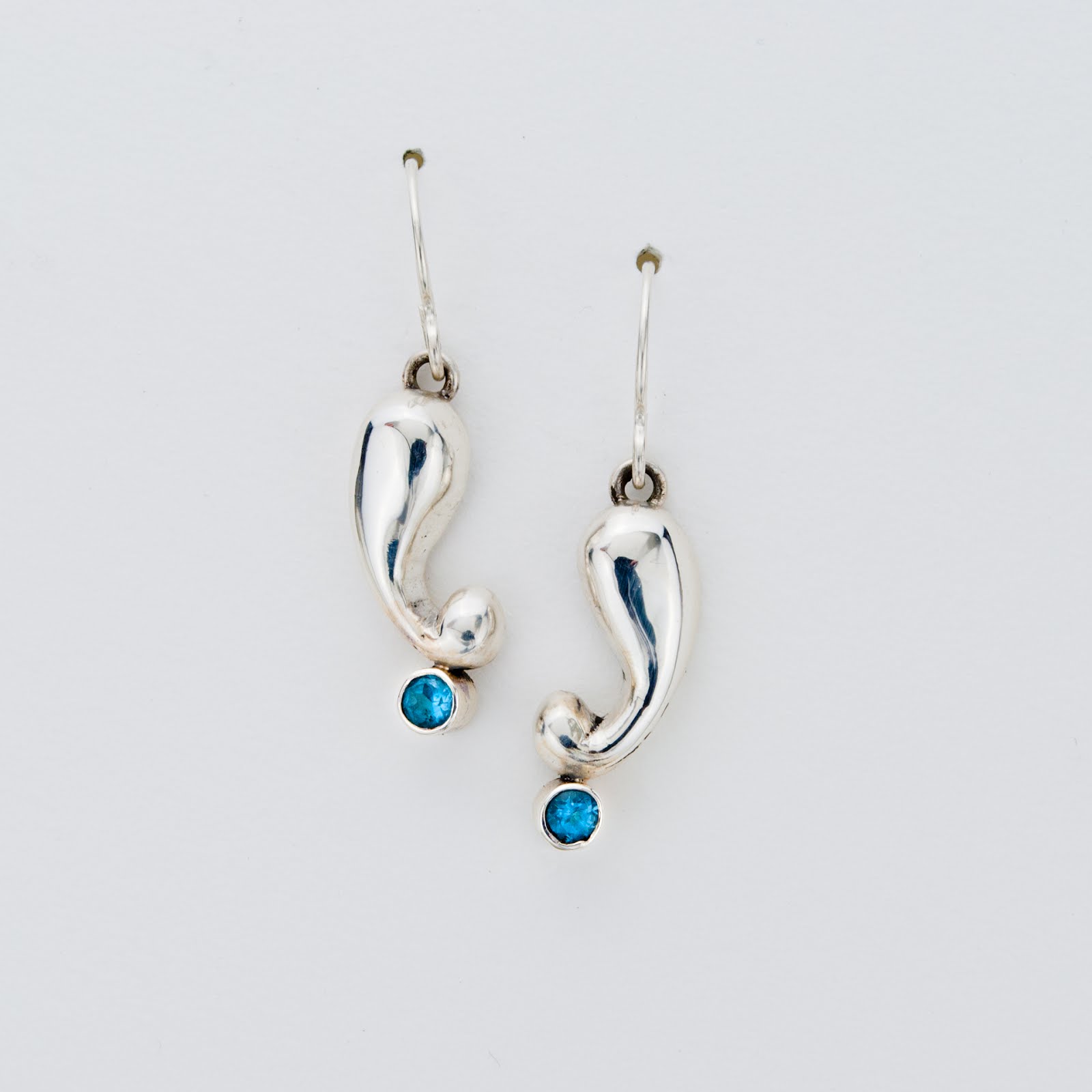
At Layne Designs, we’ve caught the paisley bug too. In fact, we have an emerging line dedicated to this eclectic and fanciful pattern, which happens to be a favorite of ours as well! Check out some of our favorite pieces from the paisley line featured below readily available in colors that are ideal for spring time.


Thursday, March 1, 2012
Rock Review: Diopside

Friday, February 24, 2012
Rock Review: Sodalite
Geology Buzz Sodalite is a mottled gemstone that most often has creamy yellow to white tones and royal blue colors mixed throughout the stone in interesting patterns. However, it can also occur in grey, yellow, pink and green if its chemical composition varies. It is named for the element Sodium than can be found in its makeup and belongs to the Feldspar family. It registers at 6 on Moh’s scale of hardness.
Fun Facts
For care and maintenance, a soft polishing cloth will usually do the trick. A conservative dab of olive oil can also occasionally be used to enhance the luster and loosen dirt. This can be followed up with a quick rinse in warm water. Be sure to pat dry afterward. Because of its porous nature , Sodalite should not be soaked for long periods of time.
Friday, February 10, 2012
Rock Review: Amethyst